
The cultural significance of gambling across different societies
The Historical Roots of Gambling
Gambling has deep historical roots, with evidence tracing back thousands of years across various civilizations. Ancient Chinese, Greeks, and Romans engaged in gambling activities, often using dice or other rudimentary tools for wagers. These early forms of gambling were more than just entertainment; they were integral to social interactions and rituals, often linked with religious beliefs and community gatherings. For instance, in ancient Rome, betting on gladiatorial games was not merely a pastime but a way for the populace to engage with the spectacles of power and heroism. Today, sites like https://westacee.co.uk/ continue this tradition in a modern context.
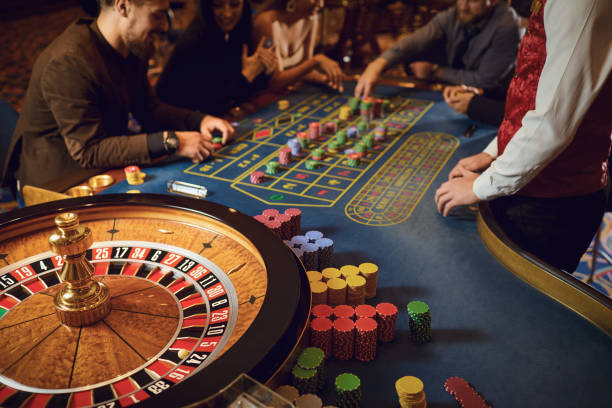
In many cultures, gambling has been associated with chance and fate, reflecting broader beliefs about destiny and luck. The practice was seen as a method to engage with the divine, whether it be through oracles in ancient Greece or fortune tellers in various cultures. The Romans believed that fortune favored the bold, which encouraged a culture of risk-taking. This historical significance showcases how gambling has been intertwined with human civilization, transcending mere amusement to play a role in shaping societal values and hierarchies.
Moreover, the evolution of gambling practices illustrates a shift in societal norms and technological advancements. From betting on horse races in medieval England to the establishment of modern casinos in Las Vegas, gambling has transformed. These changes reflect not only advancements in technology but also shifts in cultural attitudes towards risk, competition, and leisure. The historical perspective of gambling reveals its multifaceted nature, deeply embedded in the social and cultural fabric of societies worldwide.
Gambling as a Social Activity
Across many societies, gambling is seen as a communal activity that fosters social bonds and connections. In places like Japan, Pachinko parlors are not merely venues for gambling; they are social hubs where friends and family gather. Such environments encourage social interaction and bonding, as players share in the excitement of wins and losses. This aspect of gambling reinforces its role as a tool for community building, transcending the individualistic nature often associated with gaming.
In Western cultures, poker nights and casino outings are often seen as bonding experiences among friends and colleagues. These gatherings provide a platform for socializing, with the potential for friendly competition adding an exciting dynamic. The informal nature of these events allows individuals to let loose and engage with one another, ultimately strengthening personal relationships. The social implications of gambling illustrate that it is not just about monetary gain; it is also a pathway to create lasting connections.
Additionally, gambling events often reflect broader cultural celebrations, such as state lotteries or charity poker tournaments. These events serve dual purposes, providing entertainment while also supporting communal causes. In many cases, proceeds from gambling activities go towards public services or charitable organizations, illustrating a communal responsibility embedded within these practices. The social significance of gambling is multifaceted, providing entertainment and enhancing interpersonal relationships while supporting community initiatives.
Gambling and Cultural Identity
Cultural identity is profoundly linked with gambling practices in many societies. For instance, in Indigenous cultures, traditional gambling games often carry deep cultural meanings and are used to teach values and history. These games serve as a means of cultural preservation, passing down stories and traditions through generations. In this sense, gambling becomes a form of cultural expression, reflecting the unique values and beliefs of a community.
In contrast, modern gambling, particularly in the form of casinos and betting apps, raises questions about cultural integrity and the potential for exploitation. For example, in many countries, casinos are built to attract tourism, sometimes leading to a clash between traditional values and commercial interests. Communities may struggle to balance the benefits of economic development with the preservation of cultural identity, leading to an ongoing dialogue about the role of gambling in society.
Furthermore, cultural perceptions of gambling vary significantly around the globe. While some societies celebrate it as a form of entertainment and leisure, others view it with skepticism and caution, associating it with moral decay and social issues. This disparity illustrates how gambling is not merely a pastime but a reflection of cultural attitudes towards risk, chance, and economic opportunity. Ultimately, gambling is intertwined with cultural identity, influencing how communities perceive themselves and their values.
Regulations and Ethical Considerations
The regulation of gambling is a crucial aspect that varies widely across societies, often shaped by cultural attitudes and historical contexts. In some regions, gambling is heavily restricted, reflecting a cautious approach towards potential social harms, such as addiction and financial ruin. For example, in countries like Saudi Arabia, all forms of gambling are outlawed, rooted in cultural and religious beliefs. This prohibition underscores the tension between traditional values and modern economic pressures, illustrating how cultural significance can influence regulatory frameworks.
Conversely, countries like the United States have embraced a more liberal stance, with the rise of legal gambling industries generating significant revenue. However, this acceptance comes with ethical considerations about responsible gambling practices and the potential for addiction. Many regions implement strict regulations to promote responsible gaming, mandating clear signage, support resources, and self-exclusion options for at-risk individuals. This regulatory landscape reveals the delicate balance between fostering economic opportunities and protecting societal well-being.
The role of ethics in gambling also extends to the marketing and promotion of gaming establishments. In many cultures, aggressive marketing tactics can lead to normalization of gambling, particularly among vulnerable populations. Consequently, there is an ongoing debate about the responsibilities of gambling operators and governments in promoting safe gaming environments. As gambling continues to evolve, societies must navigate these complex ethical dilemmas, balancing cultural significance with the need for responsible practices.

WestAce Casino and Cultural Engagement
WestAce Casino exemplifies the intersection of modern gambling and cultural engagement, offering a diverse array of gaming options designed to resonate with various audiences. With its extensive library of over 3,000 slots and live tables, WestAce creates an inclusive gaming environment that reflects the preferences of its players. The casino recognizes the importance of cultural significance in gambling, tailoring its offerings to enhance user experience and engagement.
Additionally, WestAce emphasizes responsible gaming practices, aligning with global standards to promote a safe and enjoyable environment. By operating under a Curacao eGaming license, the casino commits to fair play and player security, demonstrating its dedication to ethical considerations in the gambling landscape. This focus ensures that players can enjoy their gaming experiences while being mindful of their well-being.
In conclusion, WestAce Casino not only serves as a gaming platform but also as a cultural space where individuals can engage with various forms of entertainment. By prioritizing player experience and responsible gaming, WestAce contributes to the ongoing dialogue surrounding the cultural significance of gambling, reinforcing its role as a dynamic and evolving facet of societal interaction.
